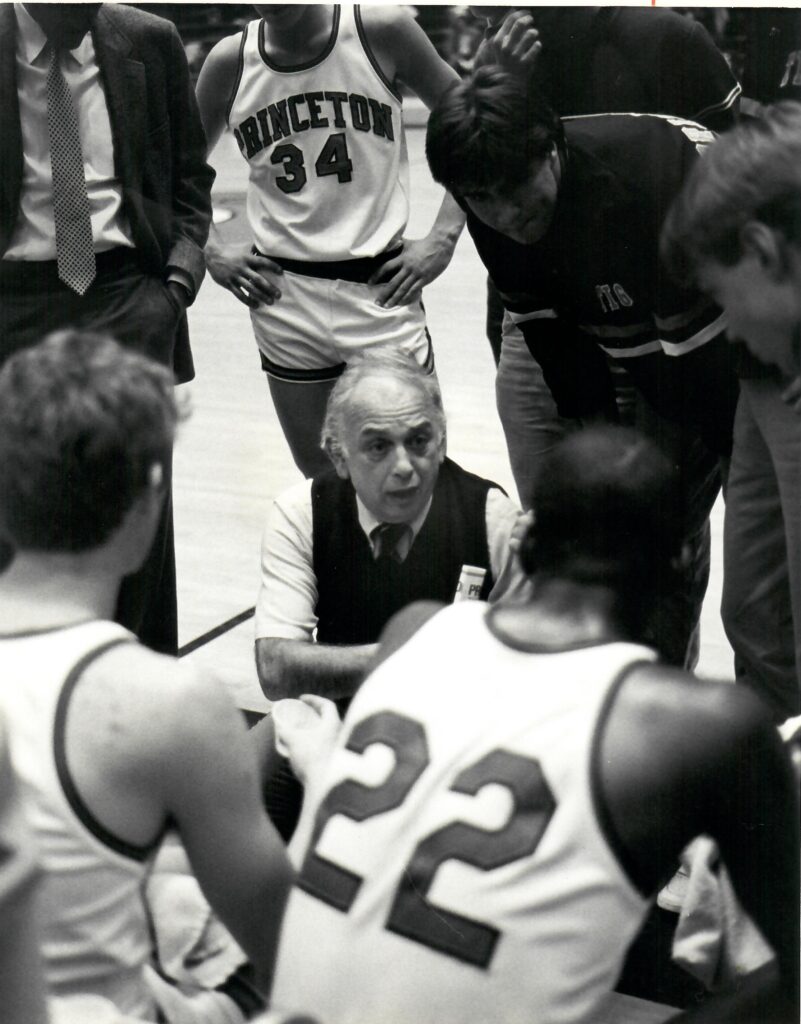
Pete Carril: A scholar, a charmer, a character right out of a Tolkien story
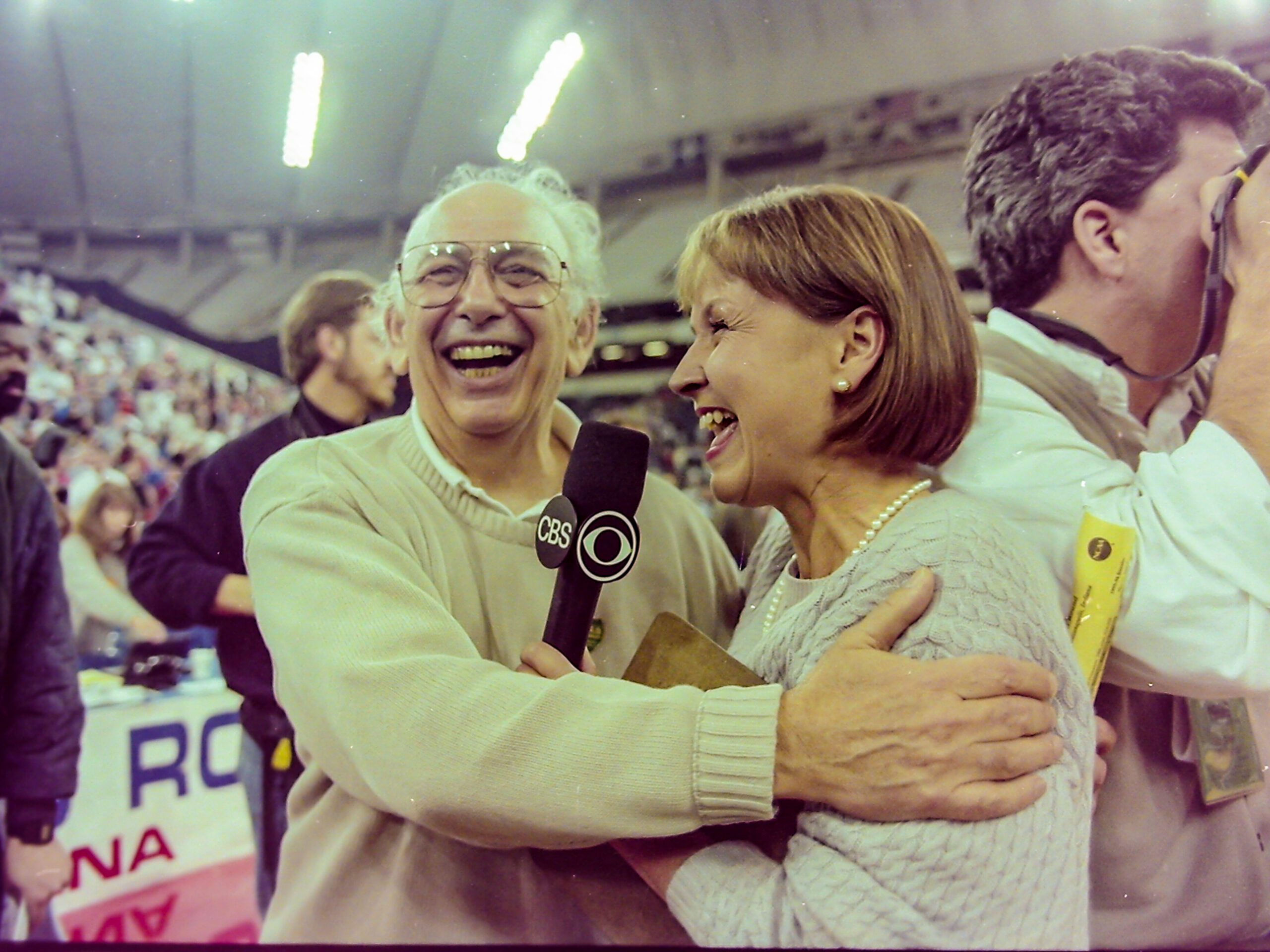
(This story was first publish in August, shortly after Pete Carril’s death.)
By Tony Zonca — MikeDragoSports.com senior contributor
When it was announced Monday that the legendary Pete Carril had died at age 92, we lost more than an extraordinary basketball coach; Pete had brought glory and honor to himself and his teams, and pardon me, but the world was a better place with Pete in it.
Pete was in all things a renaissance man. He was fluent in the language of the back alleys while being able to quote Cervantes with the streets of his native Bethlehem on his tongue.
Pete gained prominence coaching Reading High, from 1958 to 1966, and then at Princeton, where in 29 seasons he compiled a record of 514-261, which included 13 Ivy League titles, 11 NCAA appearances and a 1975 NIT championship.
But Pete’s legacy goes beyond impressive numbers and fancy hardware, most of which he tossed into the trash can.
He was an Everyman, capable of discussing Phd’s as well as X’s and O’s. He hated losing more than he loved winning, and the losses tore him up inside, which explained why he always had a couple of packets of Alka-Seltzer in his pocket.
After a loss he could be seen walking off the court at Jadwin Gym, his coat trailing behind him, looking as though he had a date with the electric chair. More than likely he gravitated to the end of the bar at Andy’s Tavern, lit up an El Producto and dissected the ills of the world with a small coterie of blue-collar types along with one or two professors “who weren’t too pompous.”
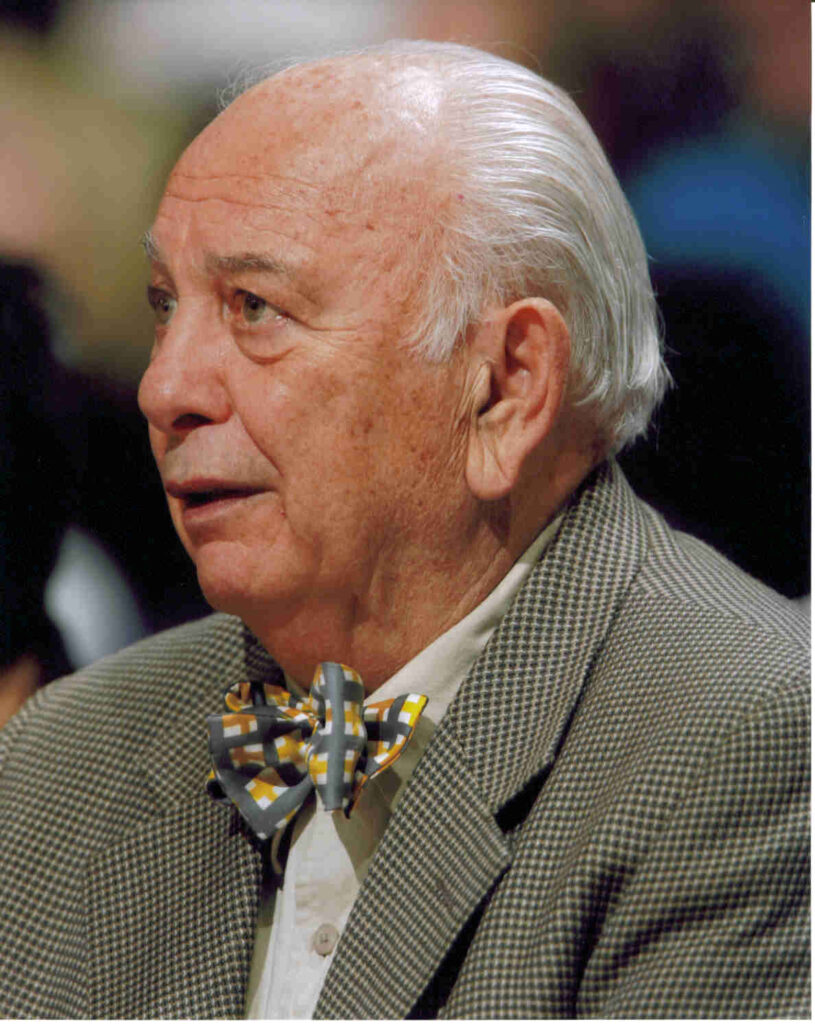
Around that time one of those friends passed on. He was a guy Pete played cards with. At the viewing Pete’s pressed a small package into the dead man’s hands.
Wrapped around it was a note that read: “Wherever you’re going you might need these.”
Inside the slip of paper was a pinochle deck.
That was Pete, through and through.
He was a competitor and a perfectionist; how else can you explain his all-American status at Lafayette as a 5-6 guard?
As a college coach he became famous for developing the “Princeton Offense,” a patient attack featuring pinpoint passing, cutting and screening. Most possessions ended with a backdoor layup. Kansas and Syracuse took more bad shots in the layup line than Princeton did in an entire season. On the other end the Tigers were known for their unrelenting man-for-man defense.
Big-time coaches from big-time programs wanted no part of the Tigers, whose recruiting budget was about what the North Carolinas of the game spent on phone calls. When Pete matched wits with the likes of Dean Smith and Digger Phelps it was as though they were playing Monopoly and Pete always possessed Boardwalk and Park Place.
Which explains why most of Princeton’s more memorable upsets occurred in tournaments or in the postseason.
In 1969, playing UCLA in the finals of the Bruin Classic at Pauley Pavilion, it took a 12-foot jump shot by Sidney Wicks with three seconds left to edge the Tigers 76-75.
In 1972 North Carolina finished third in the NCAA Tournament with Bobby Jones and Bob McAdoo as their stars. Princeton beat the pride of the ACC that year, 89-73.
In 1976 Notre Dame was No.2 in the country when Princeton smacked the Irish 76-62.
In 1989 in the first round of the NCAA Tournament top-seeded Georgetown was on the verge of being ousted by the No. 16 Tigers. At the end the Hoyas escaped 50-49. Their coach, the intimidating John Thompson, might have said to Pete what Apollo Creed said to Rocky Balboa: “There won’t be no rematch.”
Pete had a code he lived by. For instance, he considered fraternization between coach and player to be bad for team morale; he disliked the public relations functions that accompanied the job; he worried about his health; he worried about the greed and cheating that had intruded the game; he idolized Vince Lombardi; and as we said, he loathed losing.
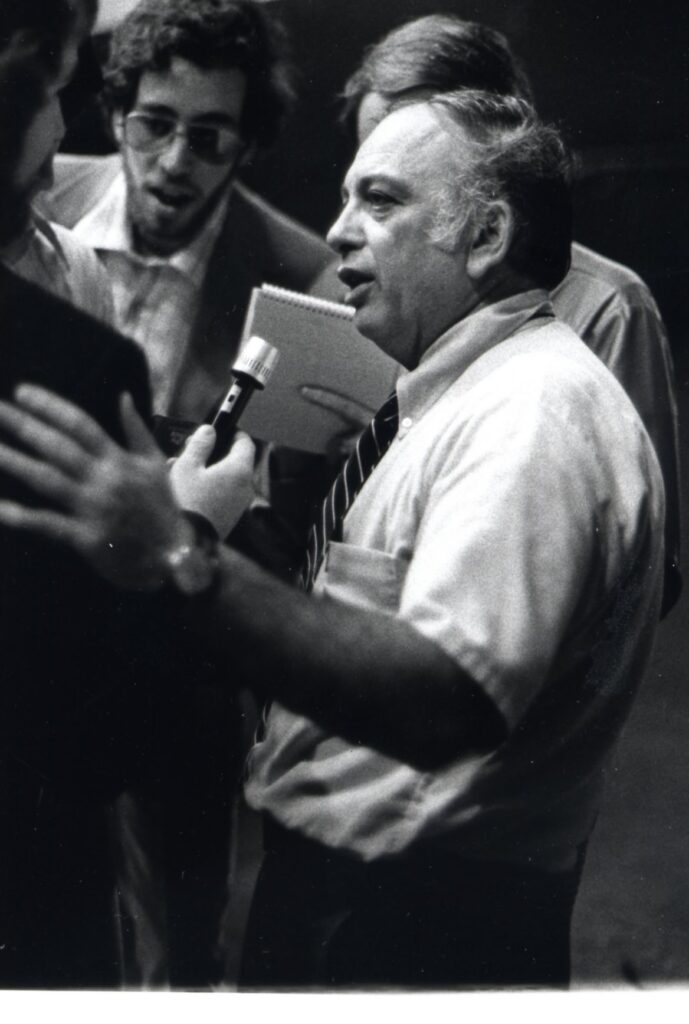
For years he couldn’t get over the fact that he and assistant coach Gary Walters (who played at Reading High) were beaten twice one summer by two teen-age girls in tennis doubles.
Pete wasn’t much for dressing up. He was more K-Mart than GQ. He always looked as though he were wearing Columbo hand-me-downs. He didn’t care. He and his assistants would enter a banquet hall for some function and the first thing they did was take off their jackets and hang them on the back of their chairs. Pete was there to eat not to pose.
Bill Omeltchenko, a former Carril player at Princton, used to tell a story that best characterized Pete.
“One night in high school I was told that Pete Carril, the Princton basketball coach, was coming to see me play,” he said. “During the game I noticed this bald little man lying down on the bleachers with his head propped up on one elbow. He looked like a bum. He was wearing baggy gray corduroys with suspenders and Hush Puppies with white socks. And he was sucking on a cigar butt that was maybe an inch long.
“After the game my coach came by my locker and said, ‘Billy, I want you to meet Coach Carril.’ It was HIM — the guy in the bleachers. I didn’t see how he could be from Princeton. He goes, ‘Nice to see ya, nice to see ya.’ And then he spent the next 20 minutes tearing my game apart.
“I couldn’t get over him. He was wonderful. So there I was at Princeton, paying all that money to play basketball for him.”
That was the effect Pete had on people. This Tolkien character with the sad eyes would charm you without even trying. He was just Pete being Pete.
Somewhere today Pete may have met up with his old pal, a stogie in his mouth, a half-eaten hot sausage sandwich in front of him, shuffling the cards.
Some good deal, huh?