



Classroom work at Wyomissing, Mifflin is helping ease PIAA officiating crunch
Evan Blickley always figured he would someday coach football.
He played tight end on Wyomissing’s District 3 Class 3A championship team, looked up to his Spartans coaches and to his dad Chris, an assistant coach with the Spartans.
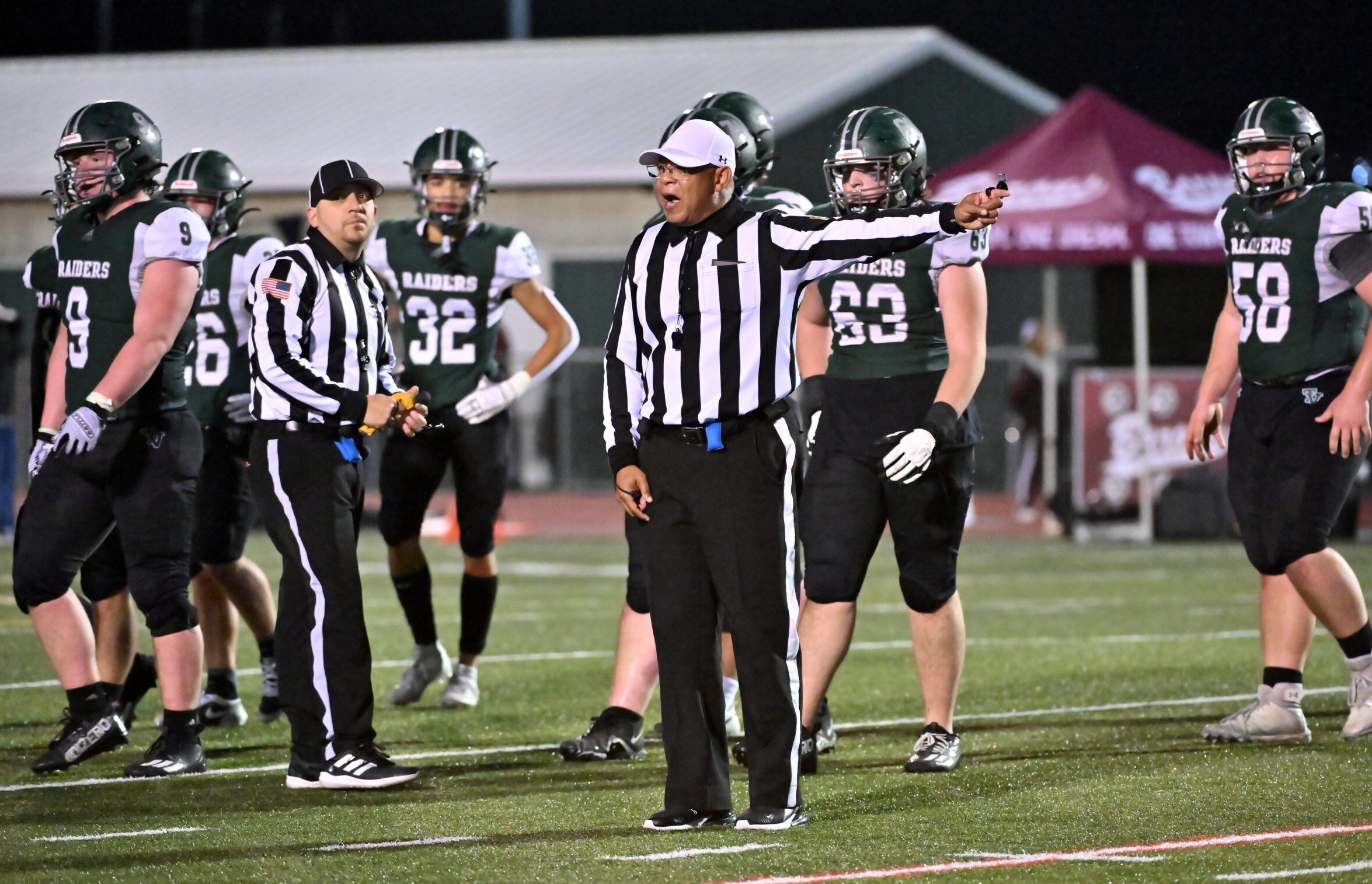
Before he coaches the game Blickley may decide to first officiate it. A class he took before graduating last month turned his head.
Blickley said he had never considered putting on the striped shirt and whistle but after taking a Coaching & Officiating class as an elective he became intrigued. He was encouraged to become certified by the PIAA and is eligible to officiate games this season.
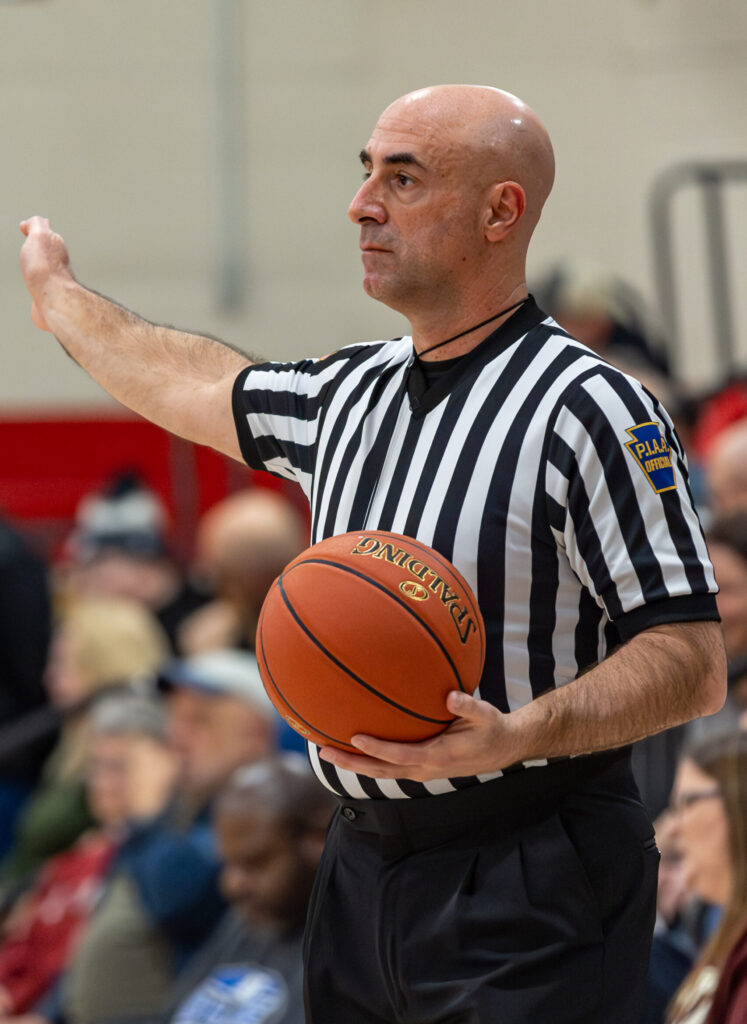
“I saw that class was available and I thought it was a great idea,” Blickley said. “You don’t know what the officials see, so it helps to get yourself in an official’s mind(set) so that you can understand it better.”
Blickley said it never crossed his mind to become an official before taking the course.
Many of his classmates, as well as student-athletes who took a similar course offered at Gov. Mifflin, are now on a path to become PIAA officials and it couldn’t come at a better time.
Officiating chapters across the state, in every sport, are in dire need of help. Several years ago, post-COVID, officiating numbers reached record lows and some contests had to be postponed or canceled due to the shortage.
Last year the Lancaster-Lebanon League put out word to its football members that they would be required to move games to Thursdays or Saturdays in designated weeks because there just aren’t enough officials to staff all the games on Friday nights.
Other leagues across the state, including those in the York and Harrisburg areas, had already put similar measures in place.
The Lancaster-Lebanon League pulled back on that mandate earlier this year but the shortage of officials remains a concern. Sports administrators across the state fear there won’t be enough young officials eager to step in when older officials need to step aside.
“If things keep going the way they’re going and we don’t have enough officials those opportunities (to play sports) could potentially go away,” said Matt Carley, a physical education teacher at Gov. Mifflin who teaches a coaching and officiating class.
“(When the student-athletes hear that) the light bulb goes off,” Carley said. ” ‘This is actually something that can happen.’ If it gets to that dire level, it’s taking opportunities away from these kids.”
Dave Outland, an assistant football coach at Wyomissing, saw the need for grooming young officials and thought a class that made students aware of the opportunity to officiate and prepared them for the job would be a benefit to all involved.
Students in his class – each of whom play a varsity sport (thought it’s not required) – received instructional guides from the PIAA concerning the rules and how to become an official in their chosen sport.
Outland considers it a win-win: Student-athletes gain a deeper insight into the sport they grew up playing and can make money from it once their playing days are done.
Outland said Aiden Mack, Tommy Grabowski, and Jack Miller, each a 2023 Wyomissing grad, became Little League baseball umps after taking the course. Six of the nine students who took the class this spring are now PIAA-certified, Outland said.
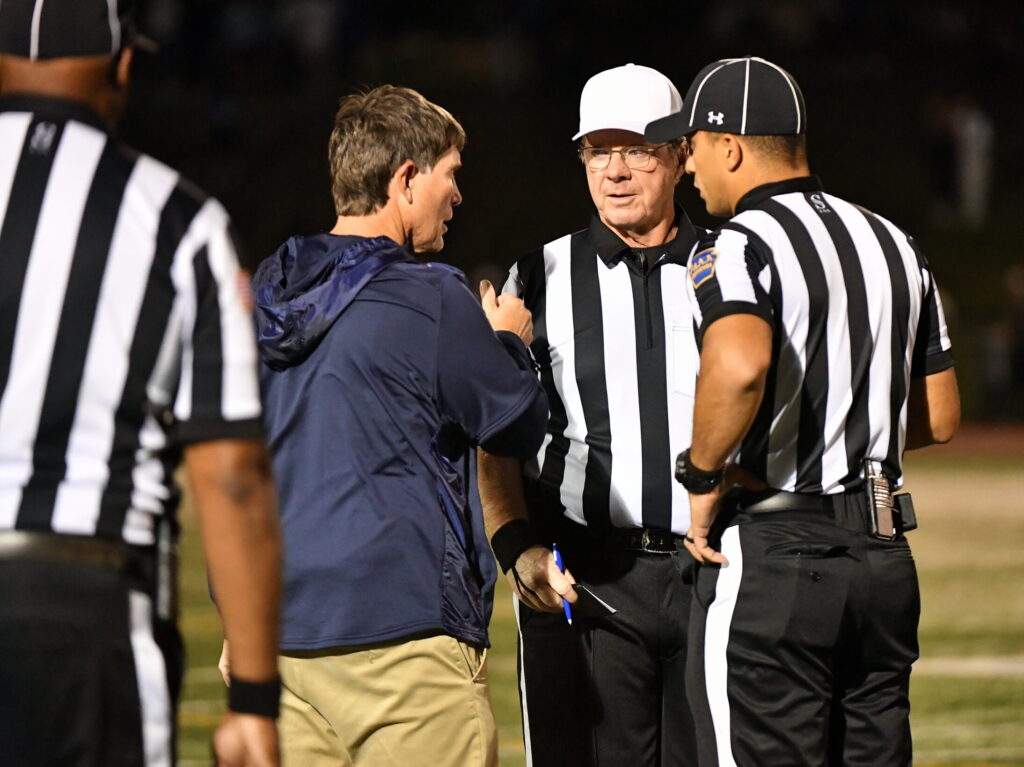
Students in his class last semester were interested in officiating sports such as lacrosse, swimming, ice hockey, wrestling, track and field and football.
“This is a class that can turn into a job for kids almost immediately,” Outland said. “Students coming through our youth programs, now they’re able to give back to that. They’re able to officiate, they’re able to volunteer coach in a youth basketball league.
“(The class helps) keep our grads in the community, and it strengthens the community and our youth programs.”
Students can take advantage of the PIAA’s Junior Officials program, which was introduced last fall. Students ages 16 and 17 can take their PIAA test, join a local officiating chapter and work games at the junior high level.
The PIAA waives the $40 registration fee; it has asked the state legislature to waive the child-abuse clearance checks (required for varsity officials, or anyone working with school students). That would save Junior Officials the $60 fee associated with the clearance check, but the legislature has yet to move on that request.
The PIAA has also relaxed the “conflict of interest” provision in its constitution, allowing Junior Officials to work games within their own school district (which eases transportation issues).
Patrick Gebhart, an associate executive director at the PIAA charged with overseeing officials, said about 200 students state-wide have become Junior Officials, which has helped ease the shortage. He is hopeful that the program will bear even more fruit going forward.
Gebhart said more schools are beginning to offer classes that will promote officiating but that Pennsylvania is “behind the curve” compared to other states.
“It took a while for our schools to realize we were in a bad spot when it came to our officiating numbers,” he said. “(Once) contests were postponed or cancelled (due to the shortage) they recognized they could be part of the solution.”
Gebhart said the PIAA is willing to help schools interested in offering officiating classes. It will send sport-specific rule books and old tests, which prospective officials can study, and will share curriculum with teachers. Local officiating chapters will offer interpreters to help teach the course, he said.
Carley, who coaches cross country at Mifflin, said it was beneficial for his students to have a Q&A with a working official. He brought his brother Eric, a local soccer official, in to speak. When Eric mentioned he earned about $3,000 by officiating last season he got the students’ attention.
“That was pretty eye-opening for them,” Carley said.
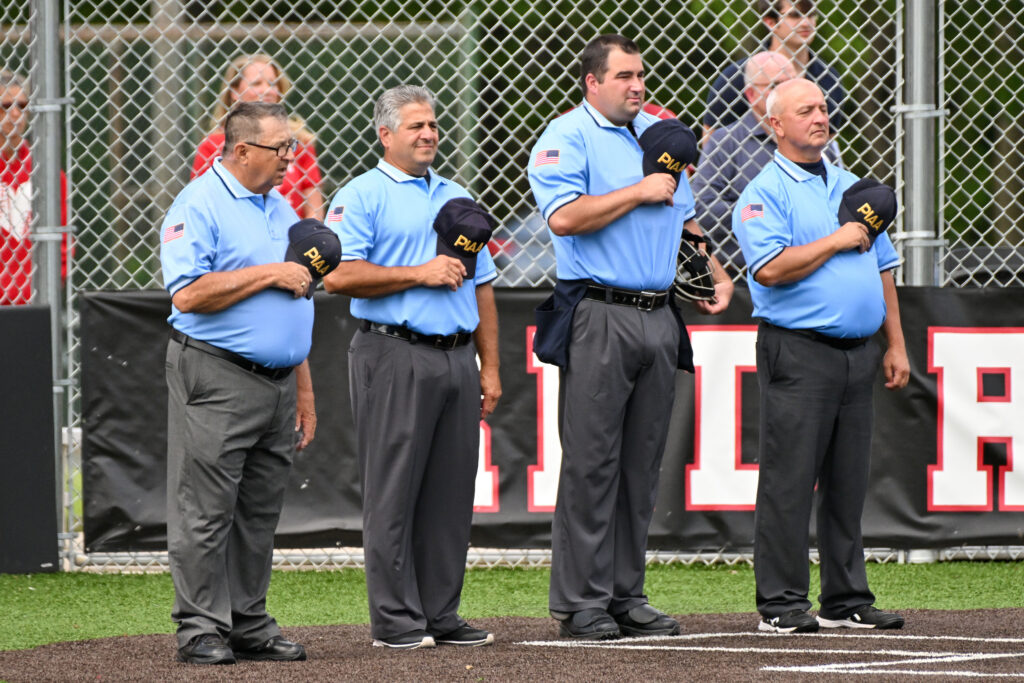
Many students sign up for the course with the idea of becoming a coach. That was the case for Peyton Wagner, a recent Wyomissing graduate headed to California University, where she will swim. The class opened her eyes to the opportunities to officiate the sport.
“Initially coming in, (they may) want to be a coach,” Carley said. “Then they hear some benefits that can come from officiating, and how it can fit into their schedule post-high school. A lot of them walked away with a better appreciation of what officials have to do.”
Outland said learning the ins and outs of officiating helps flip the negative connotation many have of officials.
“The next time they’re out on the court, or in the pool, or on the field, they have a whole new respect for who’s making the calls there,” he said. “That is a game-changer. And they say: ‘Yeah, this is something I want to get into.’ ”