



Thanks for calling back all these years
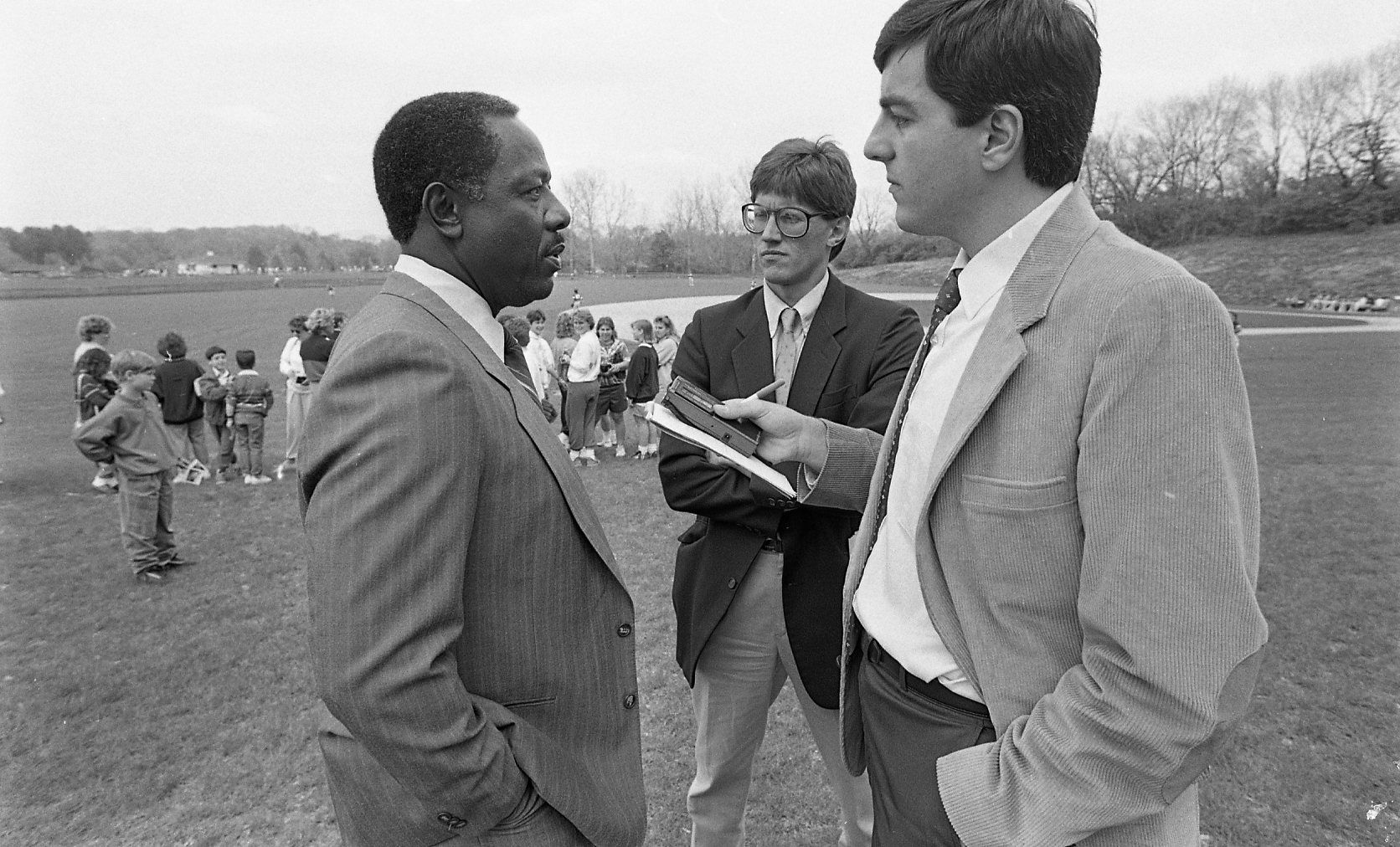
A few months ago, as I began making exit plans, I reached out to several longtime friends in the sportswriting business to ask about the best and worst parts of their job.
Most mentioned the relationships they made with players, coaches and fans, or having a front-row seat to important events: The World Series, an NCAA title game, or a memorable high school championship.
They mentioned how tough the job was, with unrelenting deadline pressure, late nights, travel, and poor working conditions (and compensation).
Over nearly 50 years of chasing deadlines and stories I have been traumatized by all of the typical sportswriter nightmares: Getting locked in a darkened stadium, having your laptop burst into flames just as you’re about to click send, not being able to find that key player after a game, or getting the story wrong.
I can look back at the good stuff, too: The great games I got to be part of, the intriguing people I met along the way, the free food in the press box.
Each summer, as I watch legendary players introduced at the Baseball Hall of Fame induction ceremony in Cooperstown, I count off those I’ve had the chance to interview: It’s more than two dozen now. You can’t put a price on that.
I never hung up any of the plaques for the writing awards collected over the years; they’re piled up in a closet. Those aren’t my biggest trophies.
The proudest takeaway from all these years: You always returned my calls.

It’s often been said a reporter is only as good as his/her sources; without your input I couldn’t have written many of those 20,000 stories.
It’s not a given that a coach, player or administrator is going to return your call or speak to you after a game. Often you’re calling to ask about things they don’t want to talk about: A difficult loss, a season-ending injury, or maybe a coach’s dismissal.
Sometimes it’s worse; sometimes it about the ultimate loss: death.
I’ve covered those, too.
I saw a football player die on the field one Saturday night at Central Catholic Stadium and had to report on it; I had to talk to his teammates – too young to fully comprehend the magnitude of what they were experiencing. Hell, I didn’t understand it, either.
When legendary basketball coach John Silan died I called Dick Braucher, his assistant coach and one of his former star players, for reaction and insight. Braucher hadn’t heard about Coach’s passing; I had to break the news to him. He didn’t offer a comment; he didn’t say anything. All I heard on the other end of the phone sobbing, this giant of a man crushed to learn his mentor was gone.
And then there was Anthony Myers, the young Berks Catholic football player who was diagnosed with brain cancer midway through his sophomore season. Incredibly, he returned to the field and, in the most amazing scene I’ve ever witnessed, returned a punt for a touchdown in a playoff game. It was a scene right out of a movie. And then, just like that, he was gone at 17.
I had to report the news, heart in mouth. I had to speak to his friends and coaches, their emotions still raw, wounded.
Good news or bad, people talked to me; they returned my calls. And that’s what I’m most proud of. You can have a stack of awards 10 feet high but it doesn’t mean as much as having people respect you and the work you do by talking to you in the most difficult of times.
What they were telling me was that they trusted I would tell their story fairly. What greater compliment could someone in my profession ask for?
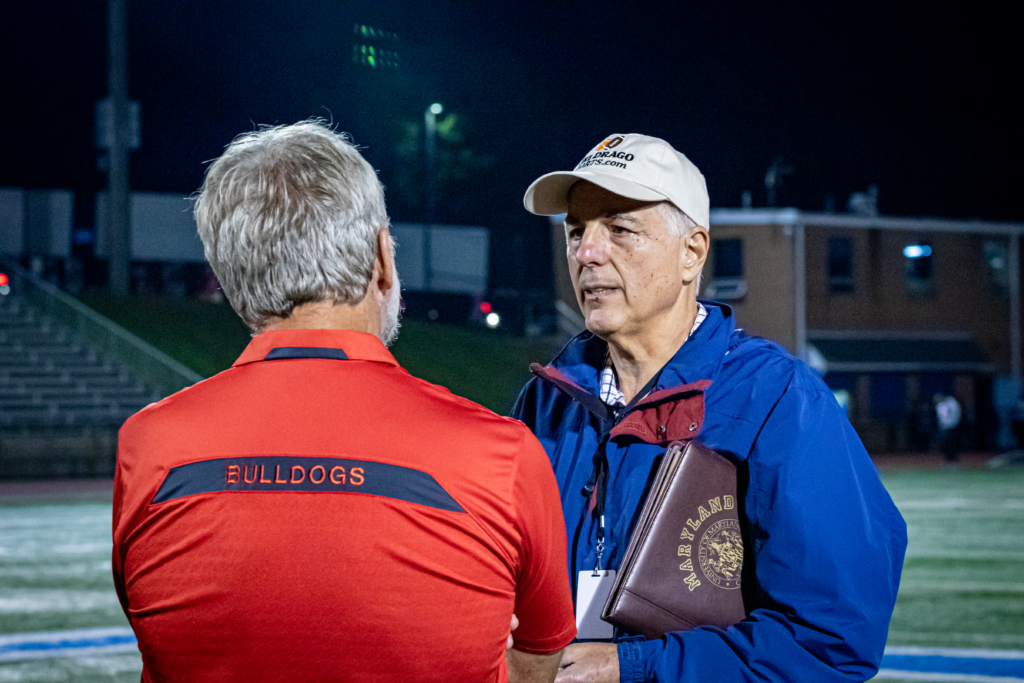
Several years ago, when my wife and I were shopping for a new home, I walked into what appeared to be a boys’ bedroom. There were trophies on the bookshelf and sports posters on the walls. And there, in a frame, was a newspaper article I had written about him.
No one ever got rich writing about sports at a local newspaper, but how much is something like that worth? Someone took my work and framed it.
Five years ago, when the Reading Eagle was sold, I knew I had to leave my home of nearly 40 years. I couldn’t stomach working for a soulless company such as Media News Group.
I thought I could do better on my own, and – with the help of many dedicated people, most importantly my daughter Jennifer, who designed and maintains this website – I believe I have.
I continued to bring the kind of in-depth local sportswriting the Reading Eagle had once before been known for.
Now, it’s time to leave behind those 70-hour work weeks, to skip those football Friday nights that often extended until 5 a.m. MikeDragoSports.com is ending its journey. I appreciate you coming along for the ride.
Not everyone, especially in my business, gets to go out on their own terms. I am able to. You can’t put a price on that, either.